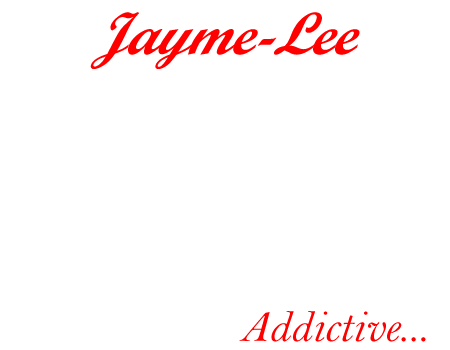
This is one of the pictures of our artist which we intended to use for the front of our digipak. We wanted to make the picture black and white and then have the lipstick red, as the red plays a big part in our video and is a main colour as it is bright and stands out. We tried to edit this on a windows computer but realised that it needs to be done on a Apple mac computer. We have chosen the font and style of the writing on our digipak, but we have a few ideas for the pictures which we have taken. Today i have been playing around with images for the front cover of the digipak whilst the others work on the inside, pull outs and the back cover. We chose to do a section of the digipak each, so that we have all worked equally as hard and have all had a part in which we are responsible for finishing. We chose images which are close up of the artist, as when we done research for our music genre, this is how the majority of the images were - the main artist up close to the camera.
Total Pageviews
Wednesday, 28 March 2012
Tuesday, 27 March 2012
Coursework editing
Today in my own time, i decided to do some more editing for our music video. I had a few difficulties but i overcome them by using the help tool on imovie which explained how to resolve the issues i had. Our coursework is now very nearly complete but we just need to add in few shots so that the video is exactly how we want it. Trying to line up the lip syncing with the music was hard, but we have only included a tiny bit as we didnt want it to be out of time.
Wednesday, 21 March 2012
Coursework
On Monday we done some more filming towards our music video. We edited some more of the video and realised that we needed more footage. We went to a field and a lake as these places are simple and fit in with the lyrics of the song as it is a 'hopeless place' and we also took some pictures which could be used on the digipak. We came across a few problems as one of the scenes needed to be of the artist laying down on the grass but the grass was wet, so we had to work around this and found a drier patch and filmed it there instead. Also we didn't have a tripod, so we had to use a microphone stand to help keep the camera as still as possible.
Today we managed to take some pictures of the artist for the front and back cover of the digipak. We also managed to get some more footage for our music video.
Monday, 19 March 2012
Monday, 12 March 2012
Testing Shots
Today we took numerous testing shots of tic tacs falling through the air to represent 'drugs' which will be show in our video. We took the shots from many angles to see which shot worked the best and then we chose the best one.
Wednesday, 29 February 2012
First draft of our digipak
This is the first draft of the front cover of our digipak. We decided to use a red title and album name with a black and white image. This is so that it stands out and grabs the attention of the audience. We also decided that the artist will be wearing red lipstick in the photo, with the rest of the photo being black and white. This is so that it fits in with the theme and also to give the artist a sense of belonging, showing she is the centre of attention and that the digipak is all about her.
Digipak Ideas
Before we even started our digipak, i made a brain storm of all the ideas that we could add to make sure we didnt forget anything. We made sure that we added the colour schemes to the brain storm as this is what is eye catching. Also, we put down that we needed to make sure that it appeals to our target audience, as this is who will be buying the album.
These are the font ideas which we tested out to see which one we preferred and decided which one would look best on the front cover of our digipak. We chose the font 'script'. This is because it suited the theme in which we was looking for and also it looked very much like a signature which was our aim for the title.
Monday, 27 February 2012
Coursework filming and editing
My group decided to do some more filming today , as we had a few shots which we needed to re film. We then started editing some of theses shots ready for our final draft. We came across a few problems as we realised last minute that our camera had ran out of battery. We however decided to do some filming on an iPhone and then we emailed it to the mac computer where the rest of our filming was. We realised that it was very good quality but the camera was very shaky.
Saturday, 18 February 2012
Storyboard
We made a detailed storyboard, shot by shot of our music video. Now we have this, we can now start shooting as this is our key guide that we need to follow, to make sure that our music video runs smoothly.
Before we actually started making our storyboard, we made an 'ideas board' to note down all our ideas which we wanted to involve in our filming.
We then roughly drew out some shots that we wanted before finding appropriate images on the internet, which matched our ideas:
Analysis of Storyboard
Before we actually started making our storyboard, we made an 'ideas board' to note down all our ideas which we wanted to involve in our filming.
Analysis of Storyboard
Our storyboard includes lots of 'different' shots one after the other because from our research, we found that this is how pop videos work. The alcohol and drug scenes represent the rebellion of the artist and it also represents that many teenagers are involved in these types of antics on a day to day basis. We can also see that the couple are very in love and it is shown by them kissing and laughing together. All the shots attract our target audience as many teenagers/ young adults can relate to these scenes and it also proves to them that they are not alone.
Monday, 13 February 2012
Analyzing Music Videos
We have planned our music video very similar to the videos that i have analyzed.
We decided that the main character will wear a lot of, and very seductive make up. This will include dark smoky eyes and bright red lipstick.
The artist in our video will be wearing a number of different outfits, with most of them being a seductive look, for example, minimal or tight fitted clothing. This is because from analyzing music videos, we found that the genre of song in which we will be using, the artists seem to be dressed in a very similar way.
We decided that we will use bright colors, as this is what interests the viewer and is also eye catching, which will keep the audience involved and motivated.
We wanted to film a scene in a nightclub as it fitted in with the genre of our song and we would be able to have the bright lights and people dancing without making the filming too complicated. However, we thought their might be issues with handling a camera in a busy club. We thought that the camera could end up becoming damaged, or the club owners may have issues with us filming in their club.
I found that the videos in which we analyzed, a large number of close up shots were used. We planned on having many close up shots of the main artist in our video, as this involves the audience and the eye contact with the viewer and artist draws in and makes clear the fact that they can associate with the lyrics of the song.
The camera will be constantly moving. This will be because the song is quite upbeat and also, the audience like to see and like to wait for different things to come along in the video, instead of watching the same thing over and over again, as this would be boring.
We decided that the main character will wear a lot of, and very seductive make up. This will include dark smoky eyes and bright red lipstick.
The artist in our video will be wearing a number of different outfits, with most of them being a seductive look, for example, minimal or tight fitted clothing. This is because from analyzing music videos, we found that the genre of song in which we will be using, the artists seem to be dressed in a very similar way.
We decided that we will use bright colors, as this is what interests the viewer and is also eye catching, which will keep the audience involved and motivated.
We wanted to film a scene in a nightclub as it fitted in with the genre of our song and we would be able to have the bright lights and people dancing without making the filming too complicated. However, we thought their might be issues with handling a camera in a busy club. We thought that the camera could end up becoming damaged, or the club owners may have issues with us filming in their club.
I found that the videos in which we analyzed, a large number of close up shots were used. We planned on having many close up shots of the main artist in our video, as this involves the audience and the eye contact with the viewer and artist draws in and makes clear the fact that they can associate with the lyrics of the song.
The camera will be constantly moving. This will be because the song is quite upbeat and also, the audience like to see and like to wait for different things to come along in the video, instead of watching the same thing over and over again, as this would be boring.
Wednesday, 25 January 2012
Digipak Analysis
Within my group, we have chosen to create a digipak for our coursework, so i have decided to analyse a few different album covers to get a few ideas for mine and my groups coursework.
This is Rhiannas album 'Loud'. As we can see it is again a close up of her face with the eyes turned away. The red lipstick and red hair is very over powering, but also grabs the attention of the viewer.
![]() |
As you can see from Pixie Lotts album cover, it is the artist herself with a seductive look which draws the attention of the viewing audience. We also get eye contact from the artist which makes us feel involved and want to buy the album. The background is white and the writing is small but clear placing all of the attention onto the artist herself. As the writing is smaller than the artist, this may mean that she is depending her career on her image and not her name or the name of the album.

The majority of the digipaks which i have looked at all include an image of the artist. The majority of these all are close up images. The names of the artist and/or album seem to be a lot smaller and less bold than the image of the artist. Therefore, my group will take this into consideration when creating our own digipak.
YouTube Business Model
YouTube is a video-sharing website, created by three former PayPal employees in February 2005, on which users can upload, view and share videos.
Hurley and Chen developed the idea for YouTube during the early months of 2005, after they had experienced difficulty sharing videos. YouTube began as a venture-funded technology startup, primarily from a $11.5 million investment by Sequoia Capital between November 2005 and April 2006. The site grew rapidly, and in July 2006 the company announced that more than 65,000 new videos were being uploaded every day, and that the site was receiving 100 million video views per day. According to data published by market research company comScore, YouTube is the dominant provider of online video in the United States, with a market share of around 43 percent and more than 14 billion videos viewed in May 2010. YouTube says that roughly 60 hours of new videos are uploaded to the site every minute, and that around three quarters of the material comes from outside the U.S. The site has eight hundred million unique users a month.
YouTube makes it money through advertising. They have teamed up with CBS and therefore, viewers constantly see their videos, which results in large sums of money.
Hurley and Chen developed the idea for YouTube during the early months of 2005, after they had experienced difficulty sharing videos. YouTube began as a venture-funded technology startup, primarily from a $11.5 million investment by Sequoia Capital between November 2005 and April 2006. The site grew rapidly, and in July 2006 the company announced that more than 65,000 new videos were being uploaded every day, and that the site was receiving 100 million video views per day. According to data published by market research company comScore, YouTube is the dominant provider of online video in the United States, with a market share of around 43 percent and more than 14 billion videos viewed in May 2010. YouTube says that roughly 60 hours of new videos are uploaded to the site every minute, and that around three quarters of the material comes from outside the U.S. The site has eight hundred million unique users a month.
YouTube makes it money through advertising. They have teamed up with CBS and therefore, viewers constantly see their videos, which results in large sums of money.
What has been the impact of the internet on media production in the online age?
Media production has been transformed in recent years, with the majority of old media like newspapers, films and music migrating online.
Clay Shirky claimed that all forms of media are currently migrating online. One media form which has made a major transition is newspapers. The way in which we read newspapers have changed in a way in which we can now access them anytime and anywhere. A US survey revealed that 21% of internet users who read daily newspapers have transferred their bulk of reading onto the internet. Near enough everyone in the world has access to a smartphone and therefore, audiences can now be producers and not just consumers. Smart-phones give us access to anything that we want to see online. Newspaper apps can be downloaded or accessed online and therefore, we no longer need to have the bulk of the traditional newspaper.
Film is another industry which has made a change in the way in which we watch them. Netflix is a good example of online migration suggested by Clay Shirky. Netflix is a new film based renting company that offers their subscribers unlimited films over a month for a fixed price of £6. These films can be streamed through the internet onto consoles, laptops or any other internet included device.
The impact of the internet on media production has changed and grown more advanced in its use of the internet compared to traditional examples of production, such as newspapers. The fact that newspapers are expanding themselves beyond one platform but meet the used platform (e-media) online. Media producers have to make business decisions to keep themselves up to date with consumers of the online age.
Clay Shirky claimed that all forms of media are currently migrating online. One media form which has made a major transition is newspapers. The way in which we read newspapers have changed in a way in which we can now access them anytime and anywhere. A US survey revealed that 21% of internet users who read daily newspapers have transferred their bulk of reading onto the internet. Near enough everyone in the world has access to a smartphone and therefore, audiences can now be producers and not just consumers. Smart-phones give us access to anything that we want to see online. Newspaper apps can be downloaded or accessed online and therefore, we no longer need to have the bulk of the traditional newspaper.
Film is another industry which has made a change in the way in which we watch them. Netflix is a good example of online migration suggested by Clay Shirky. Netflix is a new film based renting company that offers their subscribers unlimited films over a month for a fixed price of £6. These films can be streamed through the internet onto consoles, laptops or any other internet included device.
The impact of the internet on media production has changed and grown more advanced in its use of the internet compared to traditional examples of production, such as newspapers. The fact that newspapers are expanding themselves beyond one platform but meet the used platform (e-media) online. Media producers have to make business decisions to keep themselves up to date with consumers of the online age.
Wednesday, 14 December 2011
About Alan Partridge Mid Morning Matters iPhone app
Alan Partridge bounced back with his own official iPhone app which was the perfect sidekick to the award-nominated internet series Alan Partridge’s Mid-Morning Matters. It features a selection of clips from the episodes of the show and also it features the popular jingle ‘Sidekick Simon’. Quotes from his mid-morning radio show, such as Have you ever seen a child the size of an Ox?” and “Inception”. The app also features an array of downloadable ringtones versions. It also features a video page that links through to the twelve full episodes of Mid-Morning Matters on YouTube which the viewers can watch.
Wednesday, 7 December 2011
Initial Branding
Our A level media group are creating a music video to the song 'We Found Love' by Rihanna. Here are a few questions for you to answer regarding the artist, album and track name.
1) Do you think that JayMe is a suitable name for an artist of this song choice?
2) Do you think 'Overdose', the track name, is suitable for a wider audience, including youths?
3) Do you think that 'Addictive Love' is a suitable album name?
4) Do you think Addictive Love is unique and current enough to be out album name?
5) Just by looking at the artist name, track name and album name, who do you think is our target audience?
6) What first comes to your mind when you think of 'addictive love'?
7) What age and gender would you say JayMe is?
8) Do you think the album name and track name will promote this song for our target audience?
1) Do you think that JayMe is a suitable name for an artist of this song choice?
2) Do you think 'Overdose', the track name, is suitable for a wider audience, including youths?
3) Do you think that 'Addictive Love' is a suitable album name?
4) Do you think Addictive Love is unique and current enough to be out album name?
5) Just by looking at the artist name, track name and album name, who do you think is our target audience?
6) What first comes to your mind when you think of 'addictive love'?
7) What age and gender would you say JayMe is?
8) Do you think the album name and track name will promote this song for our target audience?
Monday, 5 December 2011
Case Study: Cadburys Adopts Viral Marketing Scheme
Campaigns such as Gorilla (2007), Airport (2008) and Eyebrows (2009) subvert the traditional conventions of advertising to engage and sustain the interest of the viewer with fresh take on the Cadbury’s brand identity. This will take the form of a detailed exploration of the campaign in terms of institution, audience, representation and forms and conventions.
Gorilla Playing the Drums
Viral marketing works on the premise that if one person receives a message and passes that message onto five people (and then each one of those five people pass the message onto five more people) soon there will be a lot of people who have heard the message (much like a chain letter or e-mail). This is an inexpensive way of promoting a brand, company or product.
Virtual marketing would have taken the form of word of mouth exposure, with many people discussing things that they saw on last night's television. This is sometimes referred to as 'water cooler talk'.
As technology develops, the internet viral marketing has started to become an effective way of gaining exposure for a relatively low cost for a company. Social networking sites have become popular and are now a way in which people communicate with friends and family. Companies who can create an advertisement which grabs the interest of the public , can use a phenomenom in social networking to boost their brand image or increase their sales.Virtual marketing has become a great way for companies to gain exposure at low costs, this is because the delivery of the message relies on the audience.
Institutions
Previous cadburys adverts were portraying the message that their chocolate tastes really good and so buy some and eat it. An example of this would be by using an attractive woman being filmed eating a flake in a suggestive manner. The TV ads were product orientated with taste and feeling the main elements of the advert.
To update Cadburys marketing activity in 1996 they embarked on a revolutionary sponsorship deal with Coronation Street. This deal has since been copied by many programs and companies – for example Carphone Warehouse were the sponsors of Big Brother (Channel 4) from 2004 – 2007, terminating the deal during celebrity Big Brother 2007 because of the alleged racial issues in the house. The sponsoring of Coronation Street resulted in Cadbury receiving regular viewing for over 10 years. They were able to use the slot to advertise the brand as a whole or focus on separate bars that they feel needed more promotion. Cadbury have shown over the years that they are not scared of innovating when it comes to their approach to marketing.
Forms and Conventions
First released on Friday the 31st of August 2007 (during the finale of Big Brother) the Cadbury ‘gorilla playing the drums’ advert starts with a close up of a gorilla’s face and a slow build up of Phil Collin’s song ‘In The Air Tonight’ (1981).
The first time you see this advert, you cant work out what the gorilla is doing. Then the camera work pans out to the gorilla playing the drums when the song really kicks off. The advert does not show a chocolate bar, or even mention one. The only thing in the advert which relates to Cadbury is the traditional cadbury purple backdrop behind the gorilla. This shows how strong the brands name is, as the chocolate bar dosent even have to be mentioned, yet people still not what the advert is advertising.
The filming of this advert is what makes it so successful, there is an ambiguity at the beginning with the close face shots create curiousness. This is then carried through with the realness of the gorilla in such a normal environment.
This advert instantly grabs the attention of the viewing audience as there is a gorilla on the screen. A gorilla is a masculine animal, who many people seem to be interested in and the fact that the gorilla is so life like, it helps to sell this advert to the public. The gorilla has no gender, and this is what draws in the interest of both sexes. The purple background creates a juxtaposition with the masculine appeal of the gorilla as purple is a regal colour normally associated with females (we later find out that is because the advert is for Cadbury). The advert is shot using close ups of the gorillas face and this shows the intense power and feeling of dominance. We see the gorilla sat in a very human way, behind a set of drums which gives a surreal feeling which is easy for us to remember. The use of Phil Collins, Something in the Air Tonight attracts an older audience who remember this song first time round. This is much like children today recognising Gary Linekar as the presenter of Match of the Day (BBC1) and not the world class international footballer which initially created his fame. Now children will say to their parents “that’s the song from the Cadbury advert” not “this is the guy from Genesis”.
Airport Vehicles
Released in March 2008 (and much anticipated, thanks to the success of the “gorilla” campaign), the airport advert, which is backed by the rock track “Don’t Stop Me Now’ by Queen” (1978). The advert begins with the “glass and a half full productions” slogan on the screen, which then fades away. A plane takes off and then we begin to see these airport vehicles that have been modified or ‘pimped’ (in the style MTV’s series Pimp My Ride).
The vehicles are all different colours with neon lights; the music is at the start of the song, building to fastest point. When it reaches this point the vehicles start to pull off, there is a fire jet from an exhaust and the race begins. It becomes apparent that the smallest vehicle is really battling through the pack of much larger vehicles; the larger vehicles are trying to stop the small one breaking through and the advert ends with the camera rising away from the race with the Cadburys bar coming into shot with the slogan “A glass and a half full of joy” beneath.
This advertisement starts with an aeroplane taking off from an airport at night time. An airport is a place in which most of the population will have preconceptions about such as queing or waiting around. The next part of the advert shows different airport vehicles in dark hangers behind lit up and coming to life. The vehicles are very colourful (orange, green, blue, white and yellow) these colours are assiciated with associated with fun. They look dressed up as if they were ready for a night of fun. The lyrics of the song start with “tonight I’m going to have myself a real good time. The film and the song fit perfectly. The race starts and the smallest vehicle zooms through the pack of larger vehicles who are floundering, this satisfies the British fascination and love for the underdog.
Eyebrows
The eyebrows advert starts in a very grey photo shot, brightened only by the young girl who is wearing a very distinctive purple dress. The scene depicts her and her brother being measured up for the dullest family photo ever. The phone rings and the man measuring the two children up is called away. The children look at each other, the boy reaches for his watch and then a computerised version of ‘Don’t Stop The Rock’ by Freestyle Express plays from his watch. The children then start to perform what can only be described as an unnerving jig with their eyebrows. This continues for roughly 45 seconds. During this time a pink balloon is added for effect. At the end of the advert the screen once again turns purple and the Cadbury bar is shown with the slogan “A glass and a half full of joy” beneath.
'A glass and a half full of joy' is the underlying message that is being delivered is of the joy that Cadburys can give you, much like the joy these adverts seem to give the people who watch them.
This advert portrays very mixed messages. Looking at a still of the advert shows what seems to be a middle class white family in a normal situation, in this case having a family photo taken. The music that is used is an 80's electro pop tune, which is completely out of sync with the rest of the advert. This is then followed by a strange eyebrow 'dance'. This is then followed by the strange eyebrow dance. The message that this advert is sending is one of expecting the unexpected flipping a normal, sedate situation on its head and creating an entertaining advertisement that people will remember and want to talk about.
Audience
These adverts are aimed at a youth market aged from 15-25, their target audience is media literate. This age group has grown up with technology, such as computer games and they have been an important element to their life. The adverts thrive on people’s curiosity with people trying to analyse why the advert has been made and what the meaning behind the advert is. Youths will be interested in new music, as a curious nature and therefore they will be interested in the songs involved in these adverts. Another sign of why these adverts are aimed at this market is the fact that the ‘gorilla playing the drums’ advert was first released during a finale of an episode of Big Brother – a program that has a massive youth following. There are many different reasons as to why Cadbury are aiming at this age group. This age group are young and have many years of purchasing left. If they can develop a loyal customer then they will have this customer for the next 40 to 50 years, if not more. This age group is also prominent in the social networking revolution on the internet. Social networking sites help to advertise products as young people are talking all over the internet, posting links about what they have seen and discussing their feelings towards these things. These adverts have been spread all over the walls of Facebook, which has meant that the word has spread quickly, therefore the buzz is spreading.
The adverts show a great representation of the current youth market. ‘The eyebrows’ advert has created significant interest and many individuals have recreated this advert and posted it on their Facebook sites even comedian Alan Carr and Justin Lee Collins with singer Lilly Allen (Sunday Night Project, Channel 4) has made a his own version of the famous advertisement, this all contributes to keeping the message in the public domain.
Conclusion
The gorilla advert was aimed at the correct age range; with the first viewing being during the finale of Big Brother 2007. This show has a cult following, the target market for this show is generally 18-25 year olds. However. people from other cross sections of the general public do watch this show and would also be interest in the advert and also in the Cadburys products. The advert was well made as it demands your attention as you think to yourself what the gorilla is going to do next. When you see that the gorilla is in a recording studio sat behind a set of drums you become really curious about what the advert is selling. It is only at the end of the advert that the Cadburys bar comes into the advert. It shows the slogan underneath and this is when the viral message starts to spread. People will talk to their friends and ask them if they have seen the ad and people may also search YouTube or other sites on the internet for another glimpse of the advert. Their may also be Facebook status' about the advert, and this is what helps to spread the buzz about the advert.
Brand Republic state, using Sky Broadcastings figures that “58,000 households watched the extended version of the advert on the red button during the space of a fortnight”. The hard task for Cadbury was to build on this and keep the interest in their marketing in customers minds.
Technology has had a major part to play in the advances in viral marketing, with the use of mobile phones that can surf the net with excellent speed and quality people are always contactable by others. If the others have a message they really want to share (in this case the brilliant new weird, funny advert they have seen) then they can do straight away. Many young people may have saved a copy of this short advertisement onto their mp4 players, mobile phones or even laptops to show friends and family.
Cadbury as a brand have reached a stage in their product life style where they dont need to promote what they make, nor do they just need to remind the public. This is why the virtual marketing campaign that does not have anything to do with chocolate is so successful for them. They have a strong identitiy with their shade of purple and this now reminds people that Cadbury still has products for us to buy. As with the little girls dress in the eyebrows advert, the public will be eagerly anticipating the next instalment in this line of advertisements, looking for any hint or that shade of purple.
Monday, 28 November 2011
Joost
Joost is an internet television distribution system. Joost is a way of watching TV over the internet through peer to peer networking. You need an invitation from a current user to try out the Beta Version. Joost is a new way of watching TV on the internet. With Joost, you get all the things you love about TV, including a high-quality full-screen picture, hundreds of full-length shows and easy channel-flipping. You get great internet features too, such as search, chat and instant messaging, built right into the program - so you find shows quickly and talk to your friends while you watch. You can watch whatever you want, whenever you like and as often as you want. Joost is completely free, and works with most modern PCs and Intel Mac-based computers with a broadband connection.
Social Networks and Blogging 3.0
Wink can help you find people on social networks who have similar interests to you. It searches over 400 million profiles to help you locate new and old friends or make connections with people on social networks. Wink offers the Web's largest free people search engine to help you find the people you are looking for. You can even search for people in our directory to conduct research before a job interview or business meeting. It is the world's largest people search engine. You can find people by name and get their phone number, address, Websites, photos, work, school, and much more.
Twitter is a social networking site and microblogging service which allows you to answer the question 'what are you doing?' by sending short messages or 'tweets' to your friends or followers. It has many uses for both personal and business use. It's a great way to keep in touch with your friends and quickly broadcast information about where you are and what you're up to. It can be used to broadcast your latest news and blog posts, interact with others and enable easy group communication.
Twitter rapidly gained worldwide popularity, with over 300 million users as of 2011 and handling over 1.6 billion search queries per day. It is sometimes described as the SMS of the internet.
What is Swicki and what has it got to do with Web 3.0?
Swicki is a collaborative social search engine produced by the company Eurekster. Swicki is based on social networking and relies on interest groups. You can join a community that matches your interest or rate a particular resource listed. Swicki is advertised as a social browser which allows users to create specific searches on topics, while permitting total control over the overall search results.
Community built search portals like Swicki and natural language search sites like Powerset will be quite useful to enhance your reader’s search experience. It allows to build specific searches to your own interests and that of your community and also get constant updated results from your web page or blog. Swickis scan all the data indexed in Yahoo Search, plus all additional sources you specify.
Web 3.0
Many theorists can not agree upon the name, the definition or the existence of web 3.0.
Just as 'dot com' is the term for the first era of the web, and 'web 2.0' the second, there will be a new term that bubbles up at the right time to describe the next era. Richard MacManus, ReadWriteWeb. He is saying that the web is constantly improving and almost becoming a new feature and therefore the name of it changes to suit its change. As Eric Schmidt,CEO of google says 'Web 2.0 is a marketing term, and i think youve just invented Web 3.0'. These two theorists do believe in the existence of web 3.0 and believe that there will be times where it the name will continue to change as soon as a new era comes about. Sonja Hyde-Moyer, SHM Product stated how we should start web 4.0 as now there has been a web 2.0 and web 3.0, there is no stopping them, so therefore a new one might aswell be created. It is becoming a joke to her.
Wednesday, 23 November 2011
Apple - iOS 5, a major example of the way media is developing!
Independence for all iOS devices.
With iOS 5, you no longer need a computer to own an iPad, iPhone, or iPod touch. Activate and set up your device wirelessly, right out of the box. Download free iOS software updates directly on your device. Do more with your apps — like editing your photos or adding new email folders — on your device, without the need for a Mac or PC. And back up and restore your device automatically using iCloud.
Previously, a computer would of been needed to be able to set up or download images for example onto a new iPhone, but this new feature from Apple, this can now be done directly from the iPhone.
Friday, 18 November 2011
How TV has Responded to the Online Age
-The BBC (British Broadcasting Corporation) began regular TV broadcasts in 1936 for just a few hours every evening. Many years ago one of the very first newsreaders was interviewed about the early days. The Six O'Clock News lasted 45 minutes. After a radio-style reading of the day's news, they showed newsreel that had been recently received, which often meant going back some days if the film had been flown in from another continent. The newsreader had to recapitulate the events and the background. It was all very different from now, but progress was remarkably rapid.Another thing has changed. In the late 1930s a television set was very expensive and well beyond the means of most people.
-By the early 1970s though, color sets had become standard, and the completion of total color casting was achieved when the last of the daytime programs converted to color and joined with primetime in the first all-color season in 1972.
-Color broadcasting in Europe was not standardized on the PAL format until the 1960s, and broadcasts did not start until 1967. By this point many of the technical problems in the early sets had been worked out, and the spread of color sets in Europe was fairly rapid.
-HD (high definition) TV was also a dramatic change to the way that we watch TV. It meant that audiences could watch TV in a much better quality and enjoy it to its full potential.
-Television today has changed dramatically since it was first developed and broadcasted. Thousands of programs are broadcasted daily worldwide and we can now record, pause and even rewind live television. There are also many websites such as 4oD, BBC iPlayer and itv Player where we can watch any missed TV online. This has also lead to a major decline in the viewing of adverts and people can now skip adverts instead of waiting for their program to come back on the TV. Mobile phone apps can also be downloaded where TV can be watched anytime and anywhere from the click of a button.
![]() |
| This is an example of an online website in which audiences can catch up with missed TV programs they can watch it anytime and anywhere from a mobile phone or a computer. |
Wednesday, 16 November 2011
Newspapers in the Online Age
Section B of our exam is based under the title 'Media in the Online Age'. we must include emphasis on the historical, contemporary and the future of media forms.
The Guardian: Case Study Example
- In 1995 the Guardian did not have a website or any sort of web presence but were starting to think that they should and it could also be a way in which will make them more money.
- Their main business was print media. They would circulate about £400,000 daily.
- There was a large one way communication from a large media institution to a mass audience.
Today, The Guardian does not just offer print media, it offers a large range of different media platforms to its audience, with a few examples being print, video, blogs and social networking.
2011
The Guardian Website:
- 36 million unique users per month
- It is number 1 in the world for user interaction
New Media: Blogging
This was a new phenomena for journalists as they traditionally had a one way relationship with readers, but blogging meant that audiences could give feedback and comment their opinions.
An example of a live blog is on the Sport Blog of The Guardian Newspaper.
The Guardian: Case Study Example
- In 1995 the Guardian did not have a website or any sort of web presence but were starting to think that they should and it could also be a way in which will make them more money.
- Their main business was print media. They would circulate about £400,000 daily.
- There was a large one way communication from a large media institution to a mass audience.
Today, The Guardian does not just offer print media, it offers a large range of different media platforms to its audience, with a few examples being print, video, blogs and social networking.
2011
The Guardian Website:
- 36 million unique users per month
- It is number 1 in the world for user interaction
New Media: Blogging
This was a new phenomena for journalists as they traditionally had a one way relationship with readers, but blogging meant that audiences could give feedback and comment their opinions.
An example of a live blog is on the Sport Blog of The Guardian Newspaper.
Martin Johnson resigns as England manager – as it happened.
His blog gave updates from minute to minute and people were updating comments sharing their opinions about the story.
Podcasting is another new media. This is a series of digital media files (either audio or video) that are released episodically and often downloaded through web syndication.
Use of social media:
Articles, etc. have links to all major social networking sites to encourage quick sharing.
Here is an example:
Here, it shows the share box, this is where articles can be transferred to many different social networking sites making it highly accessible to many users.
User Interaction
The Guardian are inviting user comments and interaction in order to reach and engage with an audience.
The Guardian have particularly dedicated and regular users of their specialized pages. e.g. The culture page which users visit regularly, they are more regular contributors and they can talk to each other.
User interaction could be the reason to why website hits are going up and newspaper circulation figures are gradually declining. People like the idea that they can put forward their opinions and can talk to other users and this is a major institution in media which can increase in size.
The future of Media?
- All journalists to have devices such as mobile phone cameras which can take and send videos to a weblink which they can access within minutes of uploading at the Guardian office.
- Guardian Smartphone App has moved to monthly subscription from a one off payment. This could lead to more subscription services and more incentives for people to download this app. It also considers what they are doing and what they could be doing to make their products and services 'better than free' as Kevin Kelly would put it.
- More convergence with other media/media services?
Clay Shirkey would suggest that this is what is happening. For example, different media coming closer together.
Monday, 7 November 2011
How do people in the UK use online sources to search for holidays?
The Internet is commonly used for communicating with friends and family, playing games or interacting with others. However, there has been an increase in the number of holidays that are being booked online. This could be due to the fact that many people don’t have the time to go out to a travel agent, or simply because they can look around and find better deals on the web.
Statistics show that women are the main people that are the ones booking family holidays online. Therefore, this is very important to market researchers as they need to be able to target this section of the population. Therefore many online travel websites and adverts on the TV show many deals coming up to school holidays. This could be as it will attract more women to their sites and make them want too book a holiday as their children would be off school and it is the perfect time for them to go away.
It is also proven that it is the majority of older people who stay offline and tend to book their holidays through a travel agent. This could be because they haven’t grown up with the technology we have today such as computers and the Internet. Therefore, it is women in the age categories of 20-35 who are booking holidays online more commonly.
Many travel websites have Facebook and Twitter pages and so they can be followed or liked by large audiences and this also draws the viewers attention to their sites and encourages them to look around and find deals. Social networking sites are a good way of increasing the target audience and it gives them a broader range of ages who can be attracted to their deals and offers.
Analyse Shirkys Theory of Media Development and Audience Transformation
The importance of technology today is that it is has a big impact in the media and in everyone’s day to day life’s. Media is social and worldwide and therefore people can take it for granted. Every medium is right next door to every other medium, meaning that everything updated or posted online is just a small part of everything else that is online worldwide and it is all part of a big institution.
Near enough everyone in the world has access to a smartphone or computer and therefore audiences can now be producers and not just consumers. For example, from a click of a button a phone can also become a radio or a web page can be opened.
The transformation of audiences today is that they have become or have the chance to be citizen reporters, where the audience becomes a ‘reporter’ and can report events as and when they are happening. For example the earthquake in China was reported on Twitter by a citizen before the BBC had the chance to post anything online. The government learnt about the earthquake and heard and saw exactly what was happening through videos and pictures which were posted online by a citizen, who was in the middle of the event. Within a day, donation sites were set up and people were instantly donating money. This is a major impact which shows how Michael Wesch’s 2.0 theory has changed the way in which we communicate. However, sometimes when a major event happens, there can be so many people posting online that it is produced at a speed where there is no way to filter it. This could lead to services such as Twitter being shut down due to an overload of information.
Clay Shirky stated that there are four main periods which changed media. The first was print. The second is two way communications which firstly was introduced as text and secondly as voice. The third was recorded media which started as photos, then sound and then music. The fourth was radio and TV.
Current media practices mean that audiences can talk back online and communicate with others in a way that we wasn’t able to do so before. Ideas are not just posted on a social network site, but comments and conversations can take place in a way where anyone can talk to anyone. Opinions are put forward and people are no longer disconnected. Networks have grown to an extent in which they are massive and they just continue to grow.
Barack Obama had a site which was named the Organization for America. This was one of the fastest growing groups and went on to become the largest. There was many opinions posted and put across from the viewing audience and many disagreed with his opinion but they went on to support him as he didn’t just shut them off. He understood them and took note of their ideas and opinions and the audience seemed to go on to also support him and his views.
Wednesday, 2 November 2011
Michael Wesch Web 2.0
http://www.youtube.com/watch?v=6gmP4nk0EOE&feature=results_main&playnext=1&list=PLBBD467647B030386
A YouTube link explaining Michael Weschs Theory Web 2.0 ... The Machine is Us/ing Us.
Who is Michael Wesch?
Michael Wesch is an associate professor of cultural anthropology and media ecologist who explores the effects of new media on human interaction, society and culture. He was dubbed “the explainer” by Wired magazine.
What is he famous for?
Wesch is famous for making a short video “Web 2.0... The machine is US/ing us” which was released on YouTube on Jan 31, 2007. It quickly became the most popular video in the blogsphere and has been viewed over 11 million times. His videos have been translated into 15 different languages meaning that this video has spread worldwide. Weschs videos are part of his broader efforts to pursue the possibilities of digital media to extend and transform the way ethnographies are presented.
Wesch has won several major awards for his work, including a Wired magazine Rave award, the John Culkin award for outstanding praxis in media ecology, and he was recently named an emerging explorer by National Geographic. He also won several teaching awards.
What is Web 2.0?
Web 2.0 is a name given to the internet which explains how the web has been extended and developed into a ‘social web’ where the users are in fact the web. Therefore it is collaboration on the World Wide Web. Opinions are posted worldwide through blogging and wiki. Websites or web pages can now be easily created as you no longer have to know the HTML codes. The web is now an interactive institution where anyone can participate in commenting on other peoples work and putting across their point of view. The web has been named a collaborative medium, which is a place where we [could] all meet and read and write.
An advantage of Web 2.0 is that it makes everyone’s day to day like easier as near enough everything they need is on a computer which is nowadays widely available to everyone. However, a disadvantage would be that it can be very distracting and we could also end up relying on the internet to much.
Here is an image showing how Web 2.0 is changing the way in which we communicate:
http://www.google.co.uk/imgresq=web+2.0&um=1&hl=en&biw=1600&bih=766&tbm=isch&tbnid=8TUNUhXWJ67PHM:&imgrefurl=http://www.catehuston.com/blog/2009/10/29/how-web-2-0-is-changing-the-way-we-communicate/&docid=nMadjzMNiJ2
Here is an image showing how Web 2.0 is changing the way in which we communicate:
http://www.google.co.uk/imgresq=web+2.0&um=1&hl=en&biw=1600&bih=766&tbm=isch&tbnid=8TUNUhXWJ67PHM:&imgrefurl=http://www.catehuston.com/blog/2009/10/29/how-web-2-0-is-changing-the-way-we-communicate/&docid=nMadjzMNiJ2
How has it impacted on how we relate to others?
Web 2.0 has impacted majorly on the way in which we relate to others. Many people now use the web to communicate with friends and family through social networking sites, and pictures and videos can be uploaded to show others about their life and what they have been up to.
Now that smart phones have such a major impact in everyone’s day to day lifes, email is now commonly used instead of a phone call or text message as it is a cheaper and more convenient way of communication.
Why is this significant for media studies?
This is significant for media studies as it shows us how media institutions can change rapidly over a short period of time. It also shows us that we need to keep up to date in the way in which media is moving forward and we need to keep people interested and involved within the certain media platforms.
How has Web2.0 impacted on a media institution or media form of your choice?
Web 2.0 has had a major impact on newspapers. People can now view newspapers online for free in a more convenient way. Smart phones also offer apps in which can be downloaded which are updated daily for people to read the paper when and where ever they want.
Newspapers have not yet started to shut down in large numbers, but it is only a matter of time. Jobs are already disappearing for those working in the newspaper industry and according to the Newspaper Association of America , the number of people employed in the industry fell by 18% between 1990 and 2004. By 2007, there were 6580 daily newspapers in the world selling 395 million copies a day. The worldwide recession of 2008, combined with the rapid growth of web-based alternatives, caused a serious decline in advertising.
Many newspaper companies are also trying to attract younger readers by shifting the mix of their stories towards entertainment, lifestyle and subjects that may seem more relevant to people's daily lives than international affairs and politics. This is a way in which they are encouraging people to still purchase newspapers as they are worried that the newspaper industry will one day die out.
Subscribe to:
Posts (Atom)